Pipe Lagging Thickness Explained: What Builders Need to Know
 In Melbourne’s commercial and multi-residential construction landscape, pipe lagging remains as the unsung hero. Pipe lagging thickness in particular, is one of the most misunderstood elements of mechanical specifications.
It’s often under-detailed, value-engineered, or left open to interpretation, resulting in failed inspections, condensation issues, energy inefficiencies, and costly rework. For builders, developers, and project managers, getting pipe lagging thickness right from the start helps avoid downstream issues that can delay entire projects.
Understanding Pipe Lagging Thickness
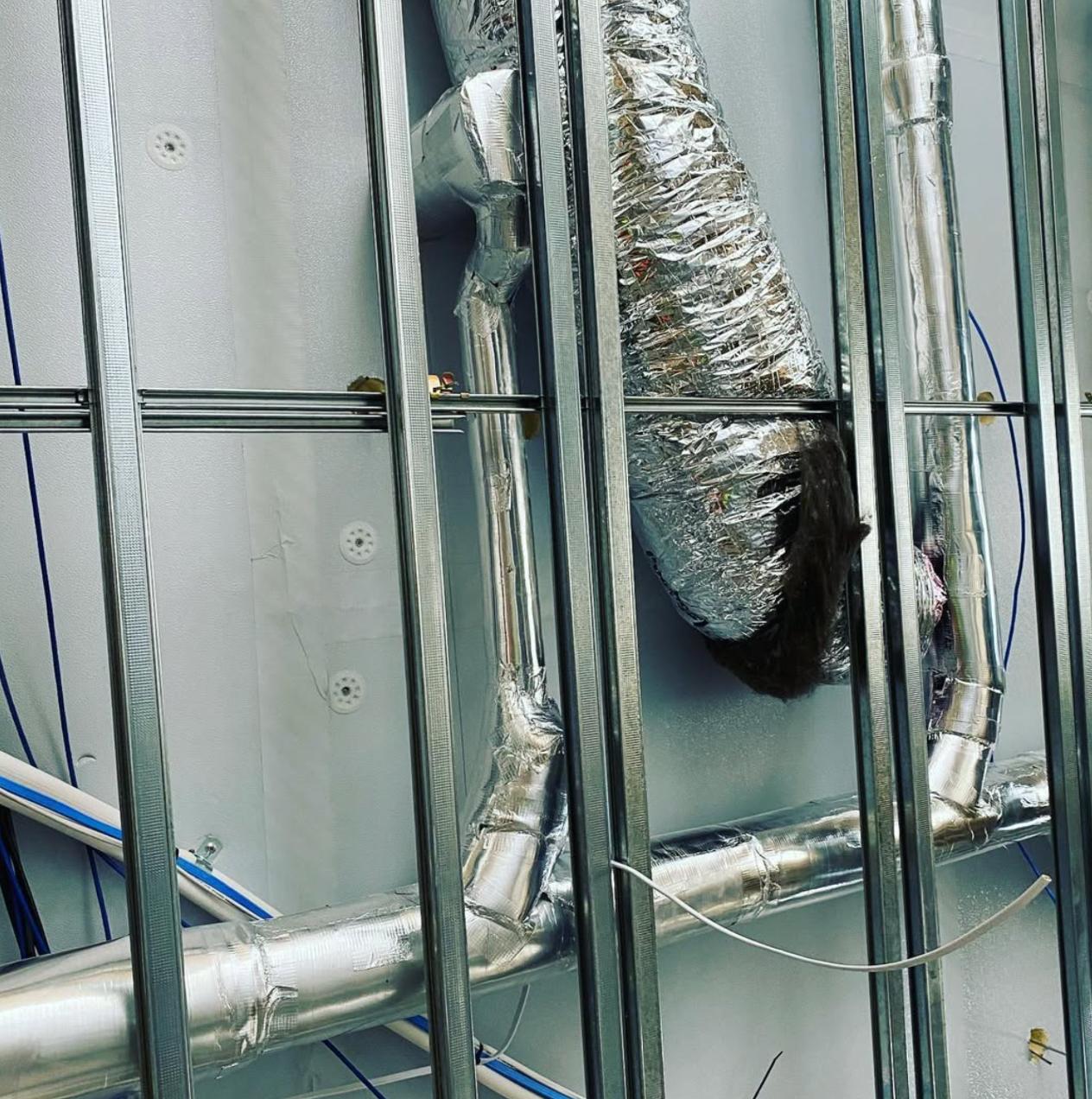
Pipe lagging refers to the insulation installed around pipework to regulate temperature, reduce condensation, and protect pipes from damage. The thickness of this lagging depends on factors like:
- Pipe diameter and material
- Service type (hot water, chilled water, heating)
- Environmental conditions (exposed, enclosed, or underground)
- Acoustic or thermal performance requirements
Getting the thickness right is essential for maintaining energy efficiency and system performance. Too thin, and pipes can lose heat, experience condensation, or transmit noise. Too thick, and installation becomes challenging in tight risers or service corridors.
Why Correct Pipe Lagging Thickness Matters
When thickness is incorrectly specified, the system simply doesn’t perform as intended, and even high-quality materials won’t be able to compensate for insufficient insulation depth.
Pipe lagging plays a critical role across multiple performance areas:
- Thermal efficiency (hot and chilled water systems)
- Acoustic control (especially in apartments and mixed-use builds)
- Condensation prevention in HVAC systems
- Fire and compliance integration
According to guidance from National Construction Code requirements and industry standards, insulation must meet minimum thermal resistance (R-values) depending on system type, pipe size, and application . That performance is directly tied to thickness, not just material selection.
How to Specify the Correct Pipe Lagging Thickness
A clear, buildable specification goes beyond simply stating “pipe lagging required”. It defines exactly what the system needs to achieve.
Start With Performance Requirements
Before choosing thickness, define the purpose of the insulation:
Hot water systems: minimise heat loss
Chilled water systems: prevent condensation
Waste and hydraulic services: reduce noise transfer
Riser shafts: combine thermal, acoustic, and fire performance
Each of these requires different materials and thickness ranges. For example, chilled water lines often require closed-cell insulation with sufficient thickness to prevent surface condensation forming in humid environments.
Align Thickness With NCC Section J
Thickness should never be guessed or standardised across a project.
Under NCC Section J (energy efficiency), insulation must meet specific thermal performance targets. This typically involves:
- Defining required R-values
- Matching insulation thickness to pipe diameter
- Adjusting for internal vs external locations
A common issue in Melbourne projects is under-specifying thickness on central plant or long pipe runs, which leads to energy loss and compliance gaps.
Factor in Pipe Diameter and System Conditions
Thickness is not one-size-fits-all.
Key variables include:
- Pipe diameter (larger pipes require greater thickness)
- Operating temperature (hot vs chilled systems)
- Ambient conditions (roof space, risers, plant rooms)
- Exposure (internal vs external)
For example, pre-formed insulation products commonly range between 10mm and 40mm wall thickness depending on application and pipe size, but large commercial systems often require significantly more when calculated properly.
Consider Installation Realities
Specifications need to reflect what can actually be installed on site.
Tight risers, congested plant rooms, and coordination with other trades all impact achievable thickness. If these constraints aren’t considered early, installers are forced to compromise — and that’s where performance drops.
A well-prepared spec accounts for:
- Clearance requirements
- Fixing and support systems
- Joint sealing and vapour barriers
- Coordination with cladding and fire systems
Minimum Length and Thickness for Pipe Lagging
Different types of lagging have different minimum requirements based on pipe diameter, location, and function.
Thermal Lagging
Thermal insulation reduces heat loss in hot water pipes and prevents condensation on cold or chilled lines. In Melbourne, typical minimum thicknesses range from 20mm for smaller diameter pipes up to 50mm for larger pipes. Lagging should cover the full length of exposed pipework, including bends and fittings, to maintain consistent thermal performance.
Acoustic Lagging
Acoustic insulation is designed to minimise noise transmission through pipes, particularly in multi-unit buildings. Minimum thickness often starts at 10–15mm around water lines and up to 25mm around vertical stacks or high-flow systems, depending on the material. Full-length coverage is essential for effective vibration dampening.
Standard Pipe Lagging
For general pipe protection and mechanical insulation, lagging should extend along the entire exposed length of pipework, with joints tightly sealed. Thickness typically starts at 10–20mm, increasing with pipe diameter, system temperature, and the risk of damage or condensation.
Correctly specifying these lengths and thicknesses ensures energy efficiency, acoustic comfort, and compliance with Australian Standards, while protecting pipes from long-term wear and damage.
Common Mistakes and Their Consequences
Even experienced teams can make errors if lagging is not correctly specified. Common mistakes include:
- Using generic thicknesses for all pipe types
- Ignoring condensation risks in cold water services
- Installing lagging too late in the construction process
- Neglecting acoustic requirements for multi-unit dwellings
These mistakes can result in failed inspections, energy inefficiency, condensation damage, noise complaints, and higher maintenance costs. In multi-unit residential projects, errors are multiplied across every dwelling, making proper specification critical.
Getting It Right From the Start
On large-scale Melbourne projects, small specification gaps quickly turn into major issues. If your project requires clarity around insulation thickness, system design, or compliance — getting it right early will save time, cost, and risk later on.
Contact Martis Laggers today and get your pipe lagging specified and done correctly the first time.
Disclaimer
This article is provided free of charge for public information. We do not guarantee, and accept no legal liability for, the accuracy, reliability, currency, or completeness of the content or any linked material. Users should apply their own judgment and verify the material’s relevance to their needs. This article is a general summary and not a substitute for legal or professional advice. Users should seek appropriate advice for their circumstances. Any third-party views expressed do not necessarily reflect ours or imply endorsement.