Pipe Lagging in Melbourne: Townhouses and Apartments
 Across Melbourne’s growing residential landscape, townhouses and apartment developments continue to reshape the way people live. From multi-unit townhouse projects in expanding suburbs to high-rise apartment buildings in inner-city areas, residential construction is evolving quickly to meet demand.
Behind the visible architecture and finishes lies an essential layer of building performance: mechanical services. Hot water lines, chilled water systems, heating infrastructure, and other pipework must operate efficiently and quietly inside modern residential buildings. One critical component that supports this performance is pipe lagging.
While townhouses and apartment buildings share many mechanical principles, the design, scale, and acoustic expectations of each type of development create subtle differences in how pipe lagging is approached. Understanding these similarities and differences helps developers, builders, and project managers ensure residential buildings perform efficiently and comfortably long after construction is complete.
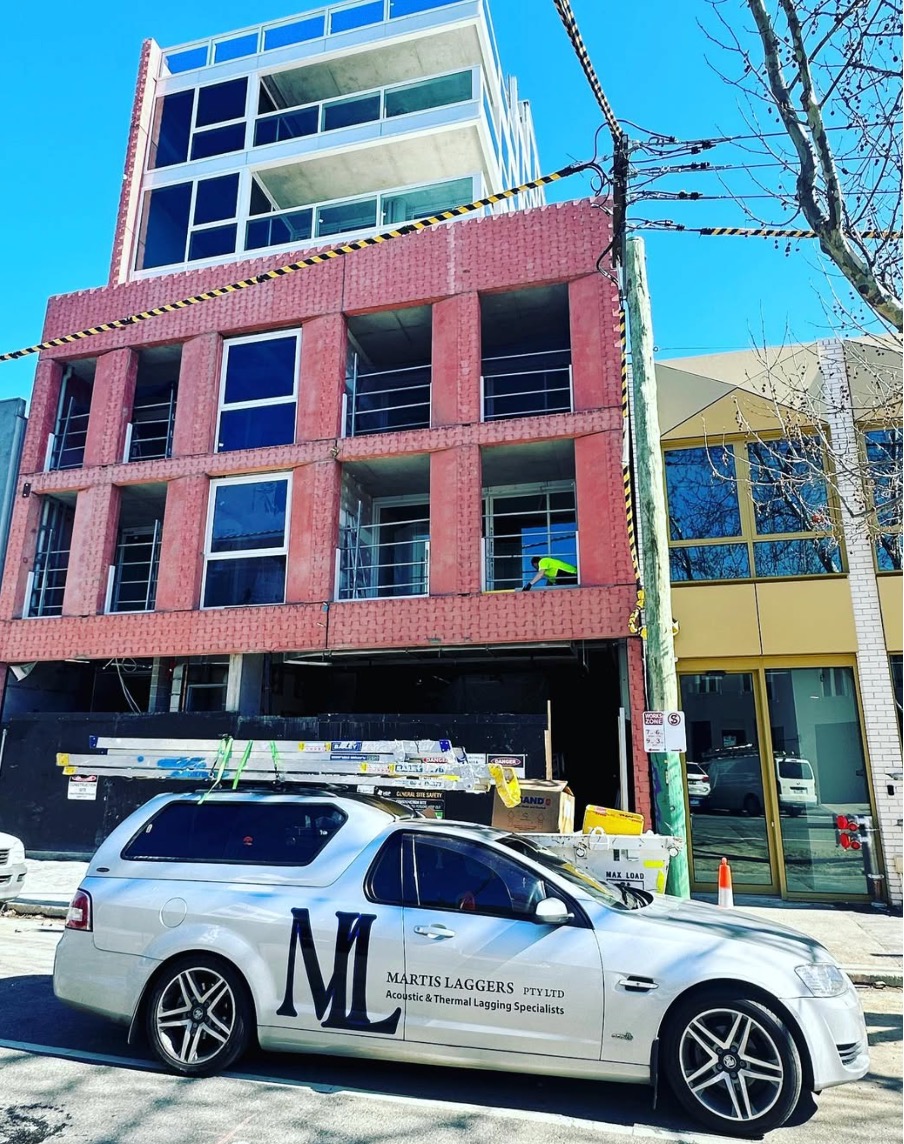
At Martis Laggers, we regularly work across Melbourne’s residential sector, installing pipe lagging systems that support thermal performance, acoustic control, and long-term durability.
What Is Pipe Lagging?
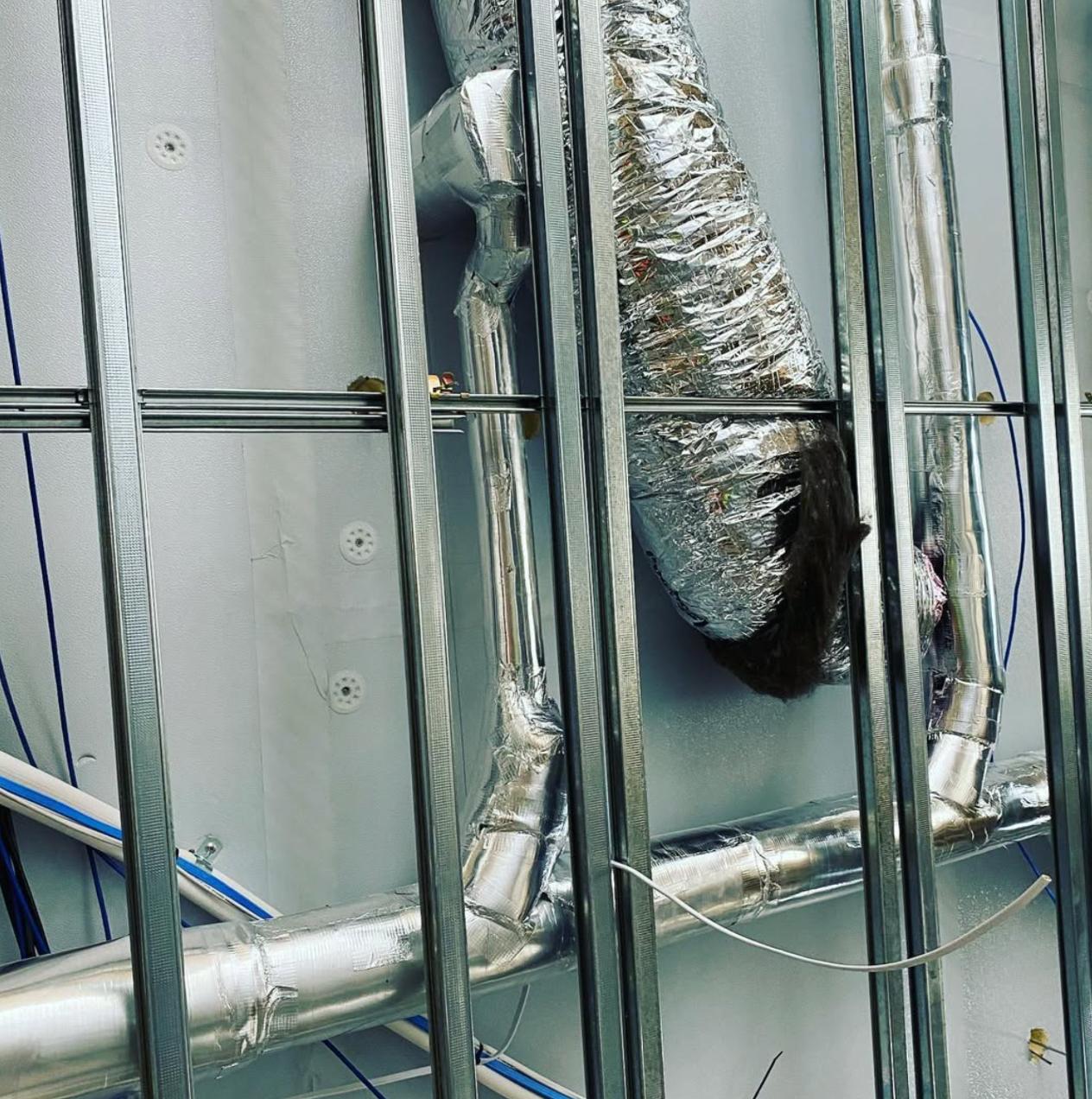
Pipe lagging refers to the insulation installed around pipework to regulate temperature, minimise condensation, and protect building infrastructure. In residential developments, lagging typically surrounds hot water pipes, cold water lines, heating systems, and chilled water services.
The purpose of pipe lagging extends beyond simple insulation. Properly installed lagging contributes to:
- Improved energy efficiency
- Reduced heat loss in hot water systems
- Condensation control on chilled or cold pipes
- Lower operational noise within buildings
- Protection of pipework from external damage
For modern residential construction in Melbourne, lagging plays an important role in ensuring buildings operate as intended under current construction and energy performance standards.
Thermal Lagging in Residential Buildings
Thermal lagging is one of the most common forms of pipe insulation used in both townhouse and apartment developments. Its primary role is to maintain consistent temperatures within pipe systems.
In hot water lines, thermal lagging reduces heat loss as water travels from the plant room or hot water unit to kitchens, bathrooms, and laundries. Without proper insulation, heat escapes into surrounding cavities and service areas, increasing the energy required to maintain temperature.
In cold and chilled water lines, thermal insulation helps prevent condensation forming on pipe surfaces. Condensation can lead to moisture damage, mould growth, and deterioration of surrounding building materials.
For developers and builders working on residential projects, thermal lagging supports broader energy efficiency goals by ensuring heating and hot water systems operate efficiently across the entire building.
Acoustic Lagging and Noise Control
Another important aspect of pipe lagging in residential construction is acoustic insulation. Acoustic lagging reduces the transmission of sound through pipes, particularly within multi-unit buildings.
In apartment buildings, water movement through pipes can produce noticeable noise inside neighbouring units. Wastewater lines, vertical stacks, and high-pressure water systems can create sound that travels through walls and service risers.
Acoustic lagging is designed to dampen these sounds by absorbing vibrations and preventing them from transferring through building structures. This improves overall acoustic comfort for residents, particularly in buildings where multiple apartments share common pipe infrastructure.
Townhouses also benefit from acoustic lagging, though the need can differ due to building layout and pipe routing.
Pipe Lagging in Melbourne Townhouse Developments
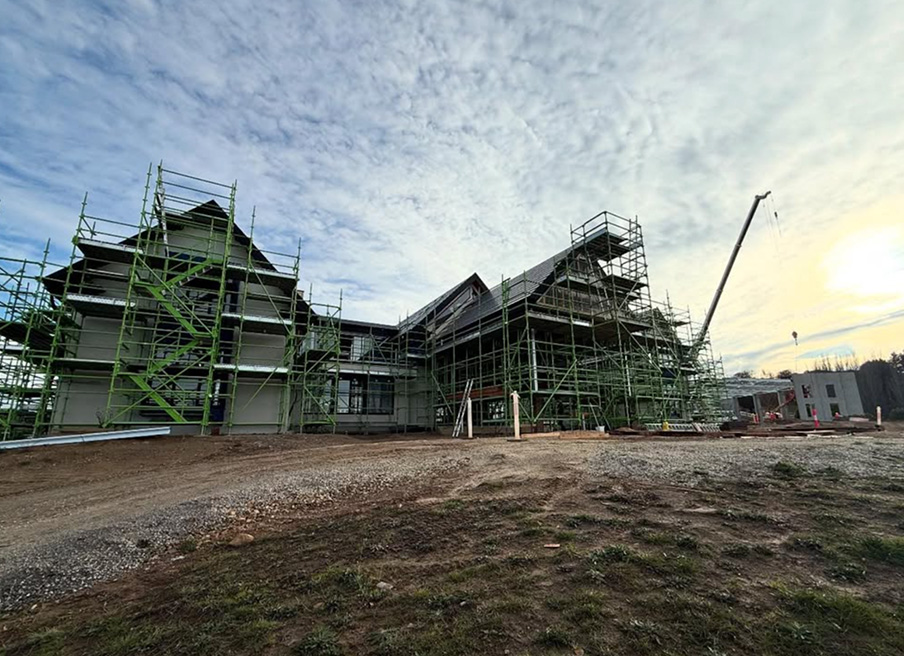
Townhouse developments are increasingly common across Melbourne’s suburbs. These projects typically feature multiple dwellings constructed side by side, each with its own internal services.
In many townhouse projects, pipe systems are more self-contained than in apartment buildings. Each dwelling often has its own hot water system, plumbing network, and service routes. This reduces the amount of shared pipe infrastructure between units.
Even with these differences, pipe lagging remains essential. Thermal insulation ensures hot water reaches bathrooms and kitchens efficiently while preventing heat loss within wall cavities. Condensation control also protects timber framing, plasterboard, and insulation materials used in modern townhouse construction.
Acoustic lagging can also be useful in areas where services pass through shared walls between dwellings. Proper insulation helps reduce water flow noise that might otherwise transfer between adjacent homes.
For developers delivering townhouse projects intended for long-term ownership or rental, proper pipe lagging helps maintain building performance and resident comfort.
Pipe Lagging in Apartment Buildings
Apartment buildings present a different set of mechanical challenges. Larger developments rely on shared infrastructure to deliver heating, cooling, and hot water across many dwellings.
Centralised plant rooms, vertical risers, and extensive pipe networks carry services through multiple floors of the building. Because these systems serve many apartments simultaneously, efficient insulation becomes even more important.
Thermal lagging helps maintain consistent water temperatures as services travel longer distances through the building. Without proper insulation, energy losses increase and system efficiency declines.
Acoustic considerations also become more significant in apartment buildings. Water movement through shared pipes can travel between floors and units, making sound control a key factor in residential comfort.
Acoustic lagging installed around waste stacks and water lines helps reduce the transmission of flushing sounds, running water, and vibration within wall cavities and risers.
For developers and builders working on apartment projects in Melbourne, pipe lagging supports both performance and occupant experience across the entire building.
Similarities Between Townhouses and Apartments
Despite their structural differences, townhouse and apartment developments share many of the same insulation requirements.
Both building types rely on pipe lagging to support:
- Energy efficiency across hot water systems
- Condensation prevention in cold water lines
- Protection of pipe infrastructure
- Long-term durability of mechanical services
Both also benefit from proper material selection and correct installation thicknesses to ensure insulation performs as intended.
As Melbourne continues to see growth in residential construction, consistent attention to pipe lagging helps ensure new developments meet modern expectations around comfort, efficiency, and reliability.
Compliance and Australian Standards
Pipe lagging also plays an important role in supporting compliance with construction and energy performance standards.
Residential buildings across Melbourne are designed in accordance with the National Construction Code and relevant Australian Standards, which outline performance expectations for mechanical services, energy efficiency, and building insulation.
Developers and builders can refer to official government guidance on building energy efficiency and mechanical services through the Victorian Government’s resources on minimum energy standards and construction regulations. Ensuring pipe lagging aligns with these standards helps reduce the risk of compliance issues during inspections and final project handover.
Getting Pipe Lagging Right from the Start
In many projects, pipe lagging is installed toward the later stages of construction. By that point, space within risers, ceilings, and service cavities is often limited.
Early planning allows builders and developers to ensure insulation materials, thicknesses, and cladding systems fit properly within the overall mechanical design.
Proper specification and installation can prevent issues such as condensation damage, excessive noise, or inefficient heating systems. Addressing these factors early reduces the need for costly remediation work later in the building lifecycle.
Supporting Melbourne’s Residential Construction
At Martis Laggers, we work with builders, developers, and contractors across Melbourne to deliver professional pipe lagging, thermal insulation, acoustic lagging, and cladding solutions for residential projects of all scales.
From townhouse developments to large apartment buildings, our focus remains the same: ensuring pipe insulation systems are installed correctly, perform reliably, and support the long-term performance of the buildings they serve. Get in touch with our team today and we'll make sure your laggings are done right the first time.
Disclaimer
This article is provided free of charge for public information. We do not guarantee, and accept no legal liability for, the accuracy, reliability, currency, or completeness of the content or any linked material. Users should apply their own judgment and verify the material’s relevance to their needs. This article is a general summary and not a substitute for legal or professional advice. Users should seek appropriate advice for their circumstances. Any third-party views expressed do not necessarily reflect ours or imply endorsement.